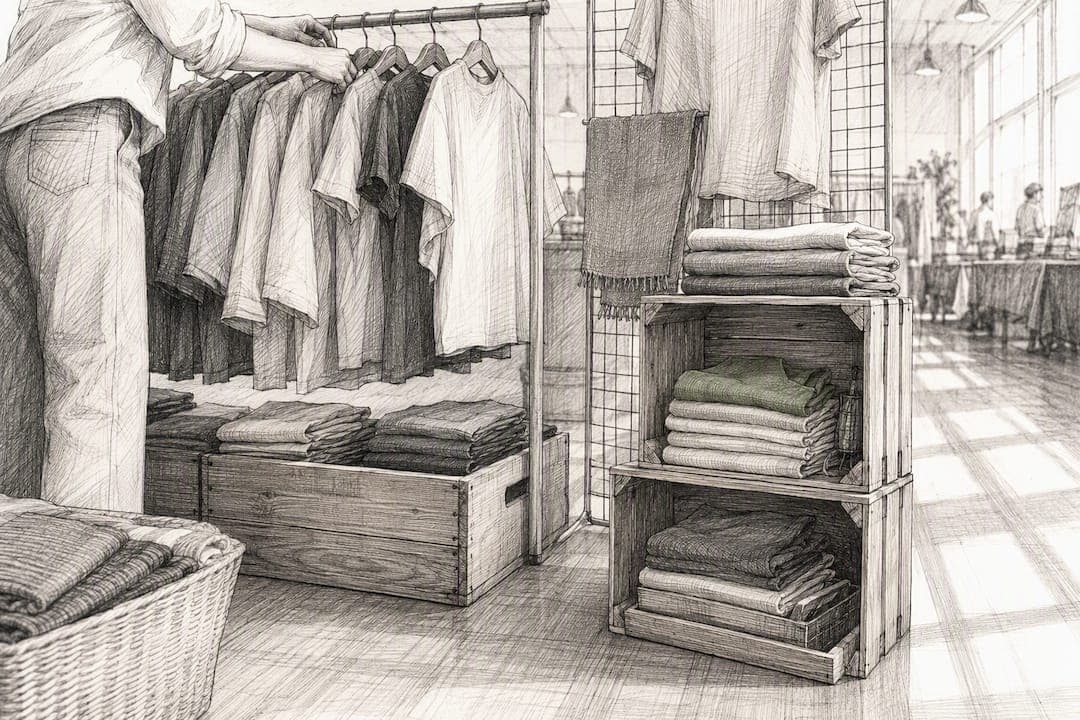
The best-selling craft show booths run 8 to 12 tight designs in one niche, not thirty scattered ideas, and they hang every shirt on a rack instead of folding it into a pile. Add clear size and price tags plus one quick personalization option, and you have the setup that consistently outsells a table full of stacked tees.
TL;DR:
- Focusing on 8 to 12 proven designs, especially in popular sizes, maximizes sales potential and reduces inventory complexity.
- Hanging shirts on racks with clear size and price tags encourages quick browsing and speeds up purchases.
- DIY display options like PVC racks and crate towers improve booth organization without high costs and should be tested in advance for space.
- Prioritize eye-level placement of bestsellers and ensure signage is legible from three feet to attract shoppers effectively.
- Stock designs rooted in hobby, seasonal, family, humor, or local pride themes to match shopper motivations and increase impulse buys.
Table of Contents
- Craft Show Shirt Ideas by Buyer Type
- Display Ideas That Actually Sell: Racks, Gridwall, Crates, and DIY Builds
- Booth Layout and Signage That Speed Up Sales
- Inventory, Sizing, and Pricing Rules of Thumb
- Which Printing Method Fits Your Craft Show Lineup
- Skye's Vendor-Tested Checklist and Shortcuts
- Why Focus Beats Variety at Craft Shows
- Ready-Made Craft Show Apparel from Sincerely Skye
- Sources
- FAQ
Craft Show Shirt Ideas by Buyer Type
Shoppers at craft fairs buy for one of five reasons: it matches their hobby, it fits the season, it makes them laugh, it's an easy gift, or it is repping something local. Building your lineup around these five buckets keeps your table focused instead of cluttered. Vendors who commit to a single niche consistently outperform booths selling across unrelated categories. So, pick a lane before you pick a design.
- Hobby and lifestyle: A quilter tee reading "I Break for Fabric Sales" prints well with heat transfer vinyl (HTV) and moves fast among fellow crafters. For more phrasing angles in this lane, see these quilter shirt ideas.
- Seasonal and holiday: A minimalist pumpkin outline or a retro Santa graphic taps into the Y2K/retro throwback trend gaining traction for 2026. Direct-to-film (DTF) transfers handle the multi-color fall and winter palettes well.
- Kids and family: Matching "Little Helper" and "Big Helper" sets are gift-ready bundles, not impulse buys, and they do best with coordinated designs across sizes. Browse matching craft shirt ideas for pairing concepts.
- Funny sayings: Text-first humor like "This Is My Craft Fair Voice" is a classic impulse purchase, especially near the checkout table. A full list of funny craft shirt sayings can jump-start your slogan wall.
- Maker-branded and local pride: A simple logo tee with your town name or market name in a bold sans-serif works as a keepsake and a walking advertisement.
Whatever design you choose, keep it legible. Text needs to read clearly from three steps away, and busy all-over prints need correct file prep before they hit the printer.
Display Ideas That Actually Sell: Racks, Gridwall, Crates, and DIY Builds
A pile of folded shirts asks customers to dig. A rack asks nothing. Hanging inventory on a browseable rack is one of the highest-impact changes a vendor can make, and a single rack can hold 30 to 40 shirts without crowding your booth.
If you're building on a budget, three options work well for most 8x10 or 10x10 setups:
- PVC pipe rack. Cut PVC into a simple A-frame or rectangular frame, join the corners with elbow fittings, and you have a lightweight rack that breaks down for transport in about an hour of build time.
- Crate tower. Stack wooden or plastic crates, spray-paint them to match your branding, and turn the open faces into cubbies for folded stock or rolled shirts. This works well as a secondary display next to your main rack.
- Pool-noodle hanger row. Slice foam pool noodles lengthwise and slide them over a tension rod or PVC bar so hangers don't slide together and bunch up your display. Materials for this one typically run under $30.
Pro Tip: Test your DIY rack's footprint at home before market day. A rack that looks fine in your garage can eat a third of a 10x10 booth once you add a table and a cash stand.
Whichever build you choose, prioritize portability. Anything that folds flat or breaks into two pieces saves your back and your trunk space.
Booth Layout and Signage That Speed Up Sales
Where you put things matters almost as much as what you're selling. Shoppers scan a booth in seconds, so your bestseller and most eye-catching design should sit at eye level, dead center, facing the aisle.
- Hang your top three designs where foot traffic first makes eye contact with your booth, not tucked in a back corner.
- Use price cards with numbers large enough to read from a few feet away. Small, cramped pricing forces shoppers to ask, and many won't bother.
- Label sizes clearly on the hanger or rack section (S, M, L, XL) so browsers can self-sort without pulling every shirt down.
- Keep a small mirror or a clear sightline near a corner of the booth for quick try-ons, and keep your checkout stand within arm's reach of that spot.
A clean layout reduces the number of questions you answer per sale, and fewer questions means faster checkout lines when the booth gets busy.
Inventory, Sizing, and Pricing Rules of Thumb
Vendors overbuy variety and underbuy depth more often than the reverse. The math that tends to work: 8 to 12 strong designs, with 3 to 5 shirts of each design, weighted toward the sizes that actually sell.
By the numbers: Most craft-fair vendors report that Medium, Large, and Extra Large sizes account for the bulk of walk-up sales, which is why inventory guidance for apparel vendors recommends stocking those sizes deepest and treating Small and 2XL as lighter backup stock.
For pricing, put your impulse tees in the $20 to $25 range and reserve premium pieces like embroidered items or heavier fleece for $35 and up. Bundle two shirts or a shirt-and-tote combo at a slight discount to lift your average order size, and keep a few pre-made bestsellers on hand alongside an on-demand personalization option to catch both quick buyers and custom shoppers.
Which Printing Method Fits Your Craft Show Lineup
The print method you choose changes your setup cost, your turnaround time, and your margin per shirt. Here's how the main options stack up:
- HTV (heat transfer vinyl): Cheap to start, great for bold single-color text, but slower for multi-color art.
- DTF (direct-to-film): Handles full-color designs and small runs well, with no minimum order sizes.
- DTG (direct-to-garment): Best for photo-realistic or highly detailed art, but pricier per shirt at small volumes.
- Embroidery: Premium feel and durability, ideal for logos and simple shapes, not practical for detailed art.
For most new vendors, HTV or DTF offers the lowest barrier to entry, since neither requires a big upfront inventory bet. Once a design proves itself as a bestseller across two or three shows, screen printing usually delivers better margins at higher volume.
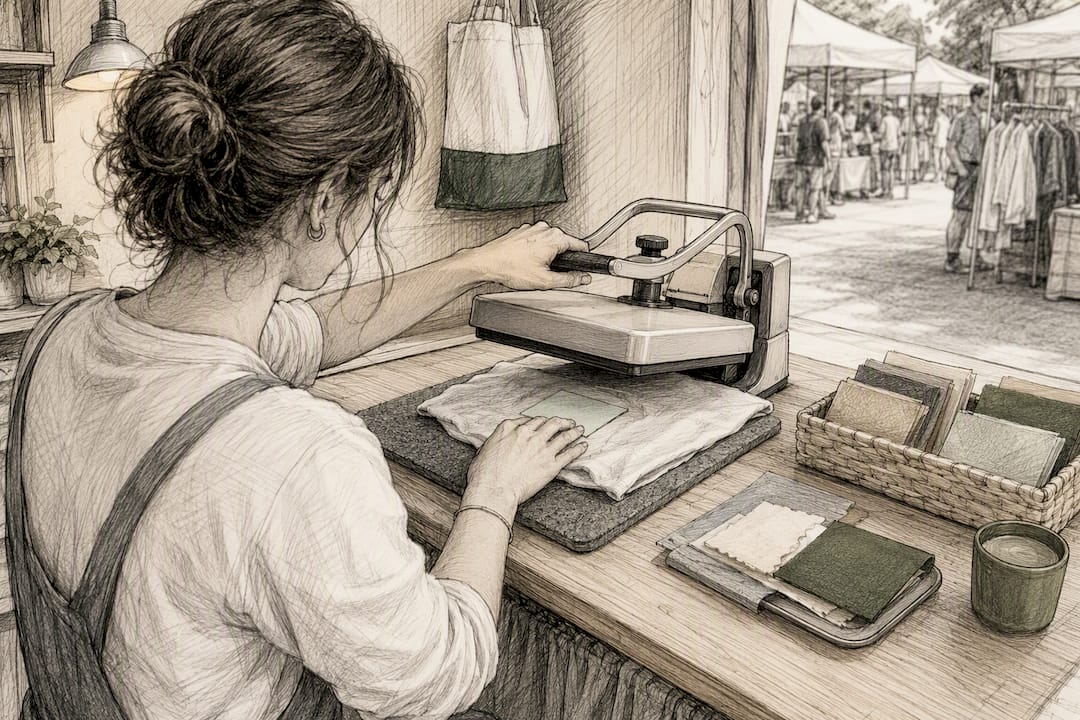
Pro Tip: Keep a portable heat press at your booth for quick name or initial add-ons. Simple personalization lifts average order value and takes less than two minutes per shirt.
Skye's Vendor-Tested Checklist and Shortcuts
Before every market, I run through the same short list: rack assembled and stable, prices visible from six feet away, backup stock sorted by size, and a heat press charged and ready for personalization requests.
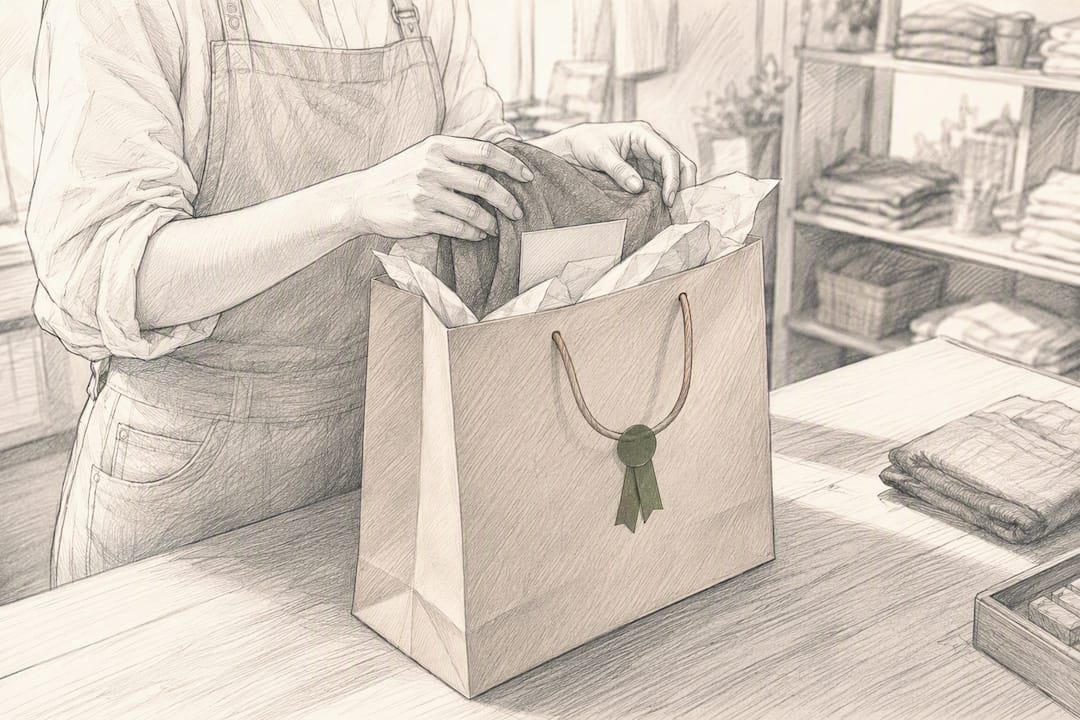
A line that works surprisingly well at the table: "Want your name added to that?" It opens the door to an upsell most shoppers wouldn't have asked for themselves. For packaging, a simple kraft bag with a thank-you card and your Instagram handle turns a one-time buyer into a follower who sees your next collection drop.
Why Focus Beats Variety at Craft Shows
Fewer designs mean less decision fatigue for shoppers, and less decision fatigue means more checkouts. That's the whole case for narrowing your lineup instead of widening it.
Try this at your next show: cut your rack down to your 10 best sellers from the last event, track sales by size and design on paper, and compare your total against the previous market. The data usually settles the argument fast.
— Skye
Ready-Made Craft Show Apparel from Sincerely Skye
If building every design from scratch isn't where you want to spend your time, there are craft-themed tees, seasonal collections, and gift-ready pieces designed for craft-fair shoppers at your disposal. Browse the Sincerely Skye Gear collection for ready-to-sell designs with the whimsical, maker-focused humor that craft-fair shoppers respond to, or check out Sincerely Christmas if your next market lands during the holiday season.
Pair a tee with The Tote Bag for an easy bundle upsell at checkout, or use either as a template for your own booth's product mix. Take a few minutes to browse the current collections and see which designs fit your niche before your next show.
Sources
- How to Sell T-Shirts at Craft Fairs: The Complete Guide for Apparel Vendors in 2026 | TheCraftMap
- 56 Next-level t-shirt design ideas for 2026 | Printful
- T-shirt design ideas for your business | Printify
FAQ
What Are Some Craft Ideas for Old Shirts?
Old shirts work well cut into tote bags, quilt squares, or braided rugs, and they make solid test fabric for practicing heat-press placement before committing to new blanks.
What Are Some Creative Theme Ideas for Shirts?
Strong themes include hobby-specific slogans, seasonal motifs, local pride graphics, and family matching sets. Rooting your theme in one clear niche outperforms mixing several unrelated ideas on the same table.
What Merch Is Trending Right Now?
Minimalist logo tees, retro-inspired graphics, and small personalized add-ons are all gaining traction alongside classic funny-saying shirts at craft fairs.
What Are the Trendy T-Shirt Designs for 2026?
2026 trends lean toward Y2K and retro throwbacks, minimalist logo designs, glitch or pixel-style graphics, and all-over prints, though matching the trend to your specific niche matters more than chasing every trend at once.
How Many Shirt Designs Should I Bring to a Craft Show?
Bring 8 to 12 strong designs with 3 to 5 shirts of each, weighted toward Medium, Large, and Extra Large sizes for the best balance of choice and manageable inventory.