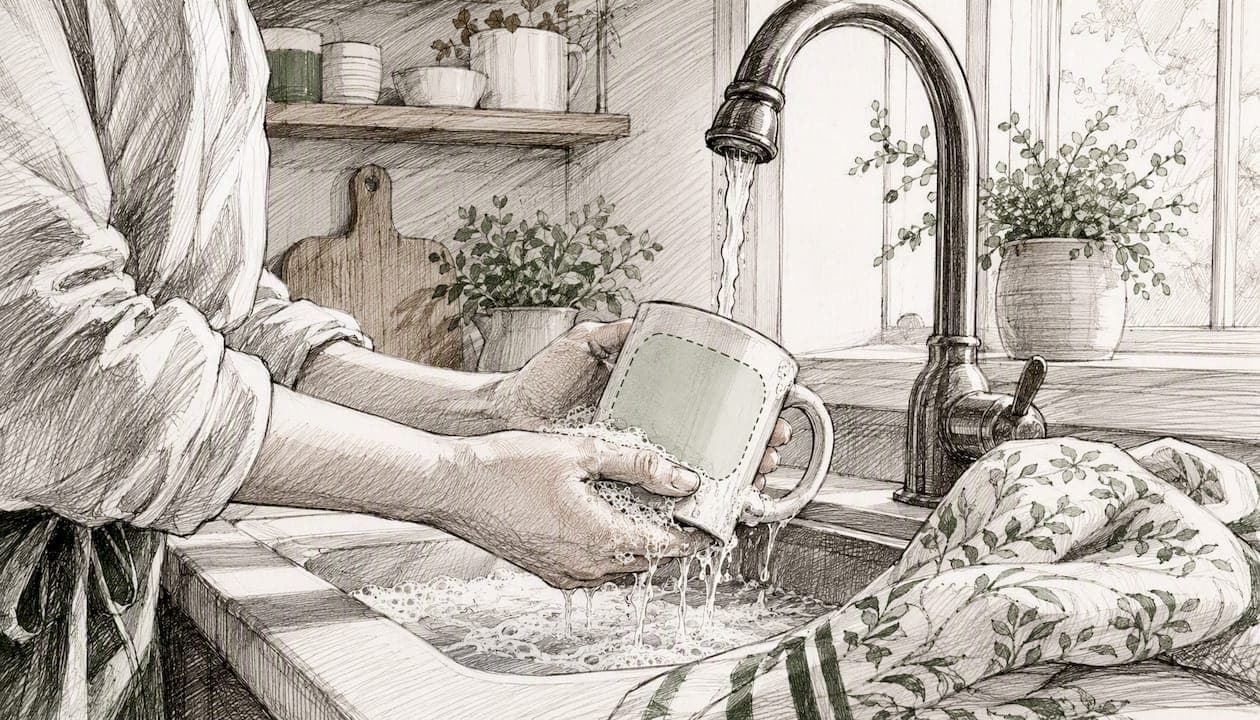
Most sublimation mugs can go in the dishwasher, but whether yours holds up depends almost entirely on the coating quality of the blank and what the manufacturer has actually tested and documented. A cheap, unverified blank from a bulk marketplace listing will fade. A certified, polymer-coated blank from a supplier with documented cycle counts will likely survive hundreds of washes with minimal change.
Here are the three conditions that make dishwasher use reasonably safe for sublimation drinkware:
- The blank carries an independently verified dishwasher-safe claim (SGS certificate, ISO certification, or a documented cycle count from the supplier).
- You use a matched system, such as Cricut Infusible Ink on Cricut-certified mug blanks, where the manufacturer has explicitly tested the combination.
- You run the mug on a gentle cycle, top rack only, with mild detergent and no heated dry setting.
Pro Tip: If you're making mugs as gifts and you don't know which blank your recipient will trust, default to hand-wash instructions on the care card. It costs nothing and protects the print regardless of how the dishwasher is set up.
Key Takeaways
Sublimation mugs are dishwasher safe only when the blank carries verified, documented testing and you use gentle dishwasher settings — otherwise, hand-washing is the safest default for preserving any sublimation print long-term.
| Point | Details |
|---|---|
| Coating quality decides durability | Certified blanks (ORCA, Pearl Coating™) with SGS/ISO documentation hold up far longer than unverified bulk blanks. |
| Matched systems carry stronger claims | Cricut Infusible Ink on Cricut-certified blanks is explicitly confirmed dishwasher and microwave safe by the manufacturer. |
| Dishwasher settings matter | Top rack, gentle cycle, no heated dry, and mild detergent reduce coating stress on any sublimation mug. |
| Default to hand-wash for gifts | When you don't control how a recipient washes their mug, a hand-wash care card protects the print and your reputation. |
| Sincerelyskye drinkware | Each mug ships with care instructions so crafters and gift recipients know exactly how to preserve the design. |
Table of Contents
- Why dishwashers can damage sublimation prints
- How different blanks and transfer methods affect dishwasher safety
- When can you first wash a newly sublimated mug?
- Practical care steps that extend the life of any sublimation mug
- How to verify whether a mug's dishwasher-safe claim is actually reliable
- What to do when a sublimation print starts fading or peeling
- Cricut Infusible Ink and matched blanks: what the manufacturer actually says
- Skye's recommendation for makers and gift-sellers
- Sincerelyskye mugs: craft-tested drinkware designed for makers
- Sources
Why dishwashers can damage sublimation prints
The short answer: dishwashers attack sublimation prints from three directions at once, and the coating is the only thing standing between your design and a faded mess.
Sublimation ink doesn't sit on top of a ceramic mug the way screen printing does. It bonds into a polymer coating that's been applied to the ceramic surface. When that coating degrades, the ink goes with it. Coating quality and polymer formulas vary significantly between suppliers, which is why two mugs with identical artwork can behave completely differently after ten dishwasher cycles.
The three main threats inside a dishwasher:
- Heat. Dishwasher water runs hot, and heated dry or sanitize cycles push temperatures high enough to soften or stress polymer coatings over time. The same heat that bonds ink during pressing can slowly release it when repeated in a dishwasher environment.
- Detergents. Standard dishwasher pods and powders contain alkaline compounds and enzymes that break down organic material. Those same compounds attack polymer coatings, especially on lower-grade blanks.
- Mechanical abrasion. High-pressure spray arms, cutlery contact, and mugs knocking against each other during a cycle all create micro-scratches on the coating surface. Over dozens of cycles, those scratches accumulate and dull the print.
A "dishwasher safe" label reflects resistance to normal use, not immunity to damage. Even a well-certified mug will show some change after hundreds of cycles. The label means the degradation is slow and acceptable, not that it never happens.
Pro Tip: Skip the heated dry setting entirely. Air-drying your sublimation mug after a dishwasher cycle removes one of the three main stressors and costs you nothing except a few extra minutes.
How different blanks and transfer methods affect dishwasher safety
Not all sublimation drinkware is made the same way, and the transfer method matters as much as the blank itself.
Standard polymer-coated ceramic blanks are the most common substrate for sublimation. A ceramic mug gets a thin polymer coating applied in manufacturing. Sublimation ink transfers into that coating under heat and pressure. The durability of the finished mug depends almost entirely on how thick, hard, and well-bonded that coating is. This is where the wide variability lives: a budget blank from an unverified seller may have a coating that starts peeling after a handful of washes, while a professionally graded blank with documented testing can hold up for thousands of cycles.
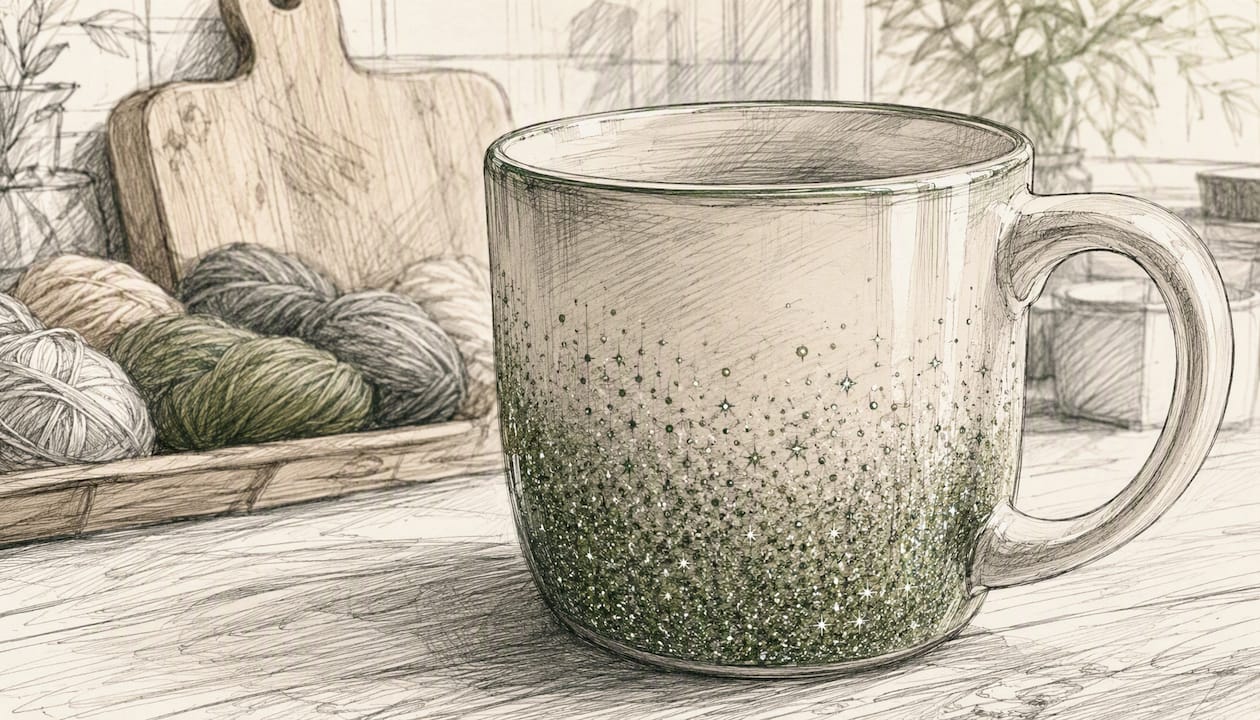
Cricut Infusible Ink works differently from standard sublimation transfers. It uses a heat-activated ink transfer sheet designed to work specifically with Cricut-certified blanks and the Cricut Mug Press. The system is engineered as a matched pair, and Cricut tests the combination. That's a meaningful distinction when it comes to dishwasher claims.
Directly printed ceramics (think commercial promotional mugs with fired-on decals) use a different process entirely and generally have stronger dishwasher resistance than polymer-coated sublimation blanks. They're not the same product, and their durability shouldn't be used as a benchmark for sublimation results.
Common coating-grade marketing terms you'll see on blank listings:
- ORCA coating: A harder polymer formulation. Per supplier testing cited on product pages, ORCA-coated blanks can resist approximately 3,000 dishwasher cycles with minimal image degradation.
- Pearl Coating™: A professional-grade designation used by suppliers like Joto Imaging. Pearl Coating™ mugs are marketed as rated for 3,500+ cycles and carry certifications including ISO 9001, BSCI, FDA, and SGS.
- AAA grade: A general quality tier label used by multiple suppliers. It signals higher coating quality but isn't a standardized certification on its own.
The most important thing a crafter can do before trusting a dishwasher-safe claim is look past the marketing label and find the actual test documentation. A supplier who publishes an SGS certificate with a cycle count is making a verifiable claim. A listing that says "AAA dishwasher safe" with no documentation is making a marketing claim.
Pro Tip: When buying blanks in bulk for a product line, order a small test batch first and run five to ten cycles before committing to a large order. A few mugs and a week of testing will tell you more than any product description.
When can you first wash a newly sublimated mug?
After pressing, most crafters want to know: how long before this mug is safe to wash?
The practical rule is to let the mug cool completely to room temperature before any washing, and to wait at least 24 hours before the first dishwasher cycle. The polymer coating needs time to fully set after the heat transfer process. Running a mug through a dishwasher while the coating is still in a post-press state can cause adhesion issues that wouldn't appear in a properly cured mug.
There's a difference between "safe to handle" (a few minutes after pressing) and "safe to wash aggressively." Most manufacturers and experienced crafters recommend:
- Let the mug cool on a flat surface, away from drafts, for at least 30 minutes before handling.
- Wait a full 24 hours before the first wash of any kind.
- For the first wash, use hand-washing with cool or lukewarm water and mild dish soap.
- Only move to dishwasher use after the first hand-wash confirms the transfer looks clean and fully bonded.
Pro Tip: If you're pressing mugs for sale or as gifts, build the 24-hour wait into your production schedule. Rushing to pack and ship a mug that hasn't fully cured is one of the most common causes of early print failure that gets blamed on the blank.
Practical care steps that extend the life of any sublimation mug
The single best thing you can do for a sublimation mug is hand-wash it. That's not a caveat; it's the most reliable way to keep the print looking sharp for years.
If you hand-wash:
- Use mild dish soap and a soft cloth or sponge.
- Avoid scrubbing directly on the printed area.
- Rinse with lukewarm water rather than very hot.
- Air dry or pat dry with a soft towel.
If you use a dishwasher:
- Top rack only, away from the heating element.
- Gentle or delicate cycle setting.
- Skip the heated dry, sanitize, or high-temp wash options.
- Use a mild, low-alkaline detergent rather than heavy-duty pods.
- Don't let the mug knock against other items during the cycle.
Storage and handling matter more than most crafters realize. Stacking mugs directly on top of each other grinds the coating surfaces together with every movement. Store sublimation mugs with a layer of padding between them, or upright in a rack, to prevent micro-abrasion that accumulates invisibly over time.
On microwave safety: Many sublimation blanks are marketed as microwave safe, but this claim is separate from dishwasher safety and depends on the specific blank's materials and coating. Always check the manufacturer's product page or documentation for the exact blank you're using. Some suppliers list microwave safety alongside dishwasher-cycle testing, but recommend verifying certification and product documentation for exact usage limits. When in doubt, check the label on the blank itself before the first use.
How to verify whether a mug's dishwasher-safe claim is actually reliable
A "dishwasher safe" sticker on a marketplace listing means almost nothing without documentation behind it. Here's how to check whether a claim is worth trusting.
What to look for on a product page:
- A named certification body (SGS, ISO 9001, BSCI, FDA).
- A specific cycle count (3,000 or 3,500 cycles, for example).
- Lot or traceability information that ties the product to a specific manufacturing run.
- A downloadable or linked certificate, not just a badge graphic.
Supplier product pages that include certifications and lot traceability are stronger evidence than anonymous marketplace listings that simply state "dishwasher safe." For example, at least one supplier publishes an SGS certificate claiming certain sublimation mugs pass 3,500 dishwasher cycles in testing. That's a verifiable, documented claim. A listing with no certificate and no cycle count is not.
How to run a quick in-house test before committing to inventory:
- Press two or three mugs from a new blank batch using your standard process.
- Run them through ten full dishwasher cycles on your normal household setting.
- Inspect for fading, cloudiness, peeling, or color shift after cycles 5 and 10.
- If the mugs pass ten cycles cleanly, they're likely to hold up for regular use.
- Document your test with photos so you have a baseline if a customer reports an issue later.
Pro Tip: Ask your blank supplier directly whether they can share the SGS or ISO certificate for the specific product you're ordering. A reputable supplier will send it without hesitation. If they can't produce documentation, that tells you something.
What to do when a sublimation print starts fading or peeling
Fading happens. The question is whether it's a process problem, a blank problem, or a care problem, because the fix is different for each.
Common failure modes and what they usually indicate:
- Light, even fading across the whole design: Usually a care issue. The mug has been through too many high-heat or high-detergent cycles. Switch to hand-washing and monitor whether the fade stabilizes.
- Peeling or chipping at the edges of the design: Points to poor coating adhesion or an incomplete transfer during pressing. Stop dishwasher use immediately. The coating is compromised and further washing will accelerate the damage.
- Cloudy or hazy appearance over the print: Often caused by alkaline detergent residue building up on the coating surface. Try a gentle hand-wash with mild soap and see if it clears. If it doesn't, the coating may be etched.
- Uneven fading or patchy color loss: Usually a pressing issue, not a washing issue. Uneven heat distribution during the transfer means some areas bonded more deeply than others. A reprint is the only real fix.
Action steps by symptom:
- Light fading: Switch to hand-washing, use cooler water, and monitor over the next few weeks. If the fade stops progressing, the mug is still usable.
- Peeling or chipping: Stop dishwasher use entirely. Photograph the damage with the lot number visible if possible. If the blank was sold with a dishwasher-safe guarantee, contact the supplier with your documentation.
- Uneven transfer: Review your pressing time, temperature, and pressure settings. Test on a fresh blank before reprinting the full batch.
Pro Tip: Keep a photo log of every batch you press, including the blank brand and lot number. If a customer reports fading three months later, you'll have the documentation to either support a warranty claim with the supplier or identify a process issue in that specific run.
Cricut Infusible Ink and matched blanks: what the manufacturer actually says
Cricut is one of the few consumer-facing brands that publishes explicit, specific dishwasher guidance for its sublimation system, and the distinction it draws is worth understanding clearly.
Cricut confirms that Infusible Ink designs on Cricut Mug blanks are dishwasher and microwave safe. The company does not guarantee dishwasher safety when Infusible Ink is used on generic, non-Cricut blanks. That's a direct, documented position from the manufacturer, not a forum opinion.
Why does the matched system matter? Cricut designs the Infusible Ink transfer sheets and the Cricut Mug blanks to work together. The blanks are engineered with a specific coating that accepts the ink at the heat profile the Cricut Mug Press delivers. The combination has been tested as a unit. When you swap in a generic blank, you lose that engineered compatibility, and Cricut's safety claim no longer applies.
When you use Cricut Infusible Ink on a non-Cricut blank, you're combining two products that were never tested together. The result might be fine, or it might fade after three washes. There's no way to know without testing, and Cricut's dishwasher-safe guarantee doesn't cover it.
Practical takeaways for crafters using Infusible Ink on non-Cricut blanks:
- Treat the finished mug as unverified for dishwasher use until you've tested it yourself.
- Run your own cycle test (see the verify-claims section above) before making any dishwasher-safe claim to customers.
- If the blank you're using carries its own independent certification (SGS, ISO), that certification may still apply, but it's the blank's claim, not Cricut's.
Pro Tip: If you sell mugs made with Cricut Infusible Ink and want to include a dishwasher-safe claim, use only Cricut-certified blanks and reference Cricut's published guidance. That gives you a documented, manufacturer-backed position to stand on if a customer questions it.
Skye's recommendation for makers and gift-sellers
Here's the practical policy that makes sense for anyone selling or gifting personalized sublimation mugs: default to hand-wash instructions unless you can point to documented evidence that the specific blank you used has been independently tested.

That's not overly cautious. It's the position that many professionals advise when the recipient's care habits are unknown. A hand-wash care card costs nothing to print, takes ten seconds to include with a gift, and completely sidesteps the risk of a customer running a mug through a harsh cycle and blaming the print quality on you.
When would a dishwasher-safe claim be appropriate on a product page? When the blank carries an independently verified cycle count from a named certification body, when you've run your own test and documented it, or when you're using a matched system like Cricut Infusible Ink on Cricut-certified blanks where the manufacturer's guidance explicitly supports the claim.
Customer communication matters here too. A simple care card that says "hand-wash recommended to preserve your design" sets expectations clearly, reduces returns, and signals that you care about the product's longevity. It's a small detail that builds trust faster than almost any other packaging choice.
Sincerelyskye mugs: craft-tested drinkware designed for makers
If you'd rather skip the blank-sourcing research and get straight to a mug you can trust, Sincerelyskye designs custom drinkware with crafters in mind. Every mug in the collection features whimsical, vintage-inspired artwork built for people who live the maker lifestyle, and care instructions are included so recipients know exactly how to keep their design looking sharp.
Whether you're shopping for yourself or looking for a gift that lands with a fellow crafter, the custom mug collection has designs that speak directly to the handmade community. From the Pink Checkered Heart Mug to the Projects Don't Finish Themselves Mug, each piece is made with the kind of care that makes it worth protecting. Browse the full drinkware lineup and find the one that fits your craft era.
Sources
These are the primary sources behind this guide. Each one is worth bookmarking if you're sourcing blanks, testing claims, or advising customers.
- Cricut Mug Press FAQ – Help Center
- Are sublimation mugs dishwasher safe? — KitchenDemy
- Can sublimation mugs go in the dishwasher? — HomeGearGeek
- 11oz Sublimation White Mug, Case of 3 — Joto Imaging Supplies
When reading supplier product pages, look for a linked or downloadable certificate rather than a badge graphic. A certificate names the testing body, the test standard, and the specific product. A badge is a design element. The difference matters when you're making claims to customers.
Pro Tip: Save the product page URL and certificate for every blank you use in production. If a customer questions durability six months later, you'll have the documentation to respond with confidence rather than guesswork.