
Ring-spun cotton is yarn made by continuously twisting and thinning fiber strands on a ring frame, aligning the fibers into a tight, smooth strand instead of the looser, chunkier structure open-end spinning leaves behind. That alignment is why ring-spun fabric feels softer against skin, holds up longer without pilling, and takes printed graphics with sharper edges. The trade-off is cost. Buying smart means knowing what "pre-shrunk" and "combed" actually add on top of that base process.
TL;DR:
- Ring-spun cotton involves a slower, more mechanical spinning process that produces softer, stronger, and smoother fabric compared to open-end spinning.
- Combed ringspun adds fiber removal before spinning, increasing cost by 10 to 25 percent but delivering even finer, more durable yarns.
- Choosing pre-shrunk ring-spun cotton minimizes initial shrinkage to 1 to 3 percent, versus untreated cotton's typical 3 to 7 percent.
- Ring-spun fabrics provide better print detail, pilling resistance, and longevity, making them the preferred choice for high-quality apparel.
- Prices for ring-spun and combed ringspun cotton are higher primarily due to slower production and additional fiber processing steps.
Table of Contents
- What "Ring-Spun Cotton" Actually Means on a Label
- How Ring-Spun Yarn Gets Made, Step by Step
- Ring-Spun vs. Open-End vs. Combed Ringspun: What Actually Changes
- What You'll Actually Notice Wearing a Ring-Spun Garment
- How to Spot Genuine Ring-Spun Quality When You're Shopping
- Washing and Drying Ring-Spun Cotton Without Losing the Softness
- Is Ring-Spun Cotton Actually Better for the Environment?
- Why Ring-Spun Cotton Costs More Than Other Types
- Why We Build Around Ring-Spun Faces
- Wear the Difference: Sincerelyskye's Ring-Spun Picks
- Where This Information Comes From
- Sources
What "Ring-Spun Cotton" Actually Means on a Label
A tag that just says "100% cotton" tells you almost nothing about how that cotton became yarn. Cotton can be spun at least two very different ways, and the method changes how the finished shirt feels, prints, and wears. "Ring-spun" is the manufacturing method; it says the fibers were drawn out and twisted on a rotating ring-and-traveler system, producing a continuous, tightly bound strand. That's fundamentally different from open-end (rotor) spinning, which spins loose fiber clumps into yarn faster but leaves more short fibers sticking out of the surface.
"Combed ringspun" is a step up from plain ring-spun. Combing runs the fiber through a comb-like process before spinning, pulling out the short, weak fibers and leaving only the longer ones. The result is a smoother, more uniform yarn, but it uses roughly 10 to 25 percent more raw fiber because so much gets discarded in the process. That waste is exactly why combed ringspun costs more at retail.
A few other terms show up constantly on hangtags and spec sheets, and each one tells you something specific:
- Airlume: a branded combing and ring-spinning process (used by wholesale blank suppliers like Bella+Canvas) marketed as a quality signal for retail-grade shirts.
- Singles / yarn count: a number (like 30s or 40s) indicating how fine the yarn is spun; higher numbers mean thinner, often softer yarn.
- GSM (grams per square meter): the fabric's weight, which affects drape, opacity, and how substantial a shirt feels in hand.
- Pre-shrunk: a finishing treatment applied to the fabric before cutting, meant to lock in most of the shrinkage before the shirt ever reaches you.
None of these terms are interchangeable, and a shirt can be ring-spun without being combed, or combed without being pre-shrunk. Reading a label correctly means checking for all three separately, not assuming one implies the others.
How Ring-Spun Yarn Gets Made, Step by Step
Ring spinning isn't a single action. It's a sequence of mechanical steps, each one shaping how the final fabric will feel and behave, and skipping or rushing any of them shows up later in the shirt.
- Carding. Raw cotton fibers get combed into a loose, aligned web, removing debris and roughly parallelizing the fibers. This happens whether the yarn will end up ring-spun or open-end.
- Combing (optional). For combed ringspun, an additional pass removes short fibers below a certain length, leaving a cleaner, more uniform fiber bundle. Skipping this step is what separates standard ringspun from combed ringspun.
- Drafting. The fiber bundle gets pulled and thinned into a narrower strand, gradually reducing its thickness to the target yarn weight.
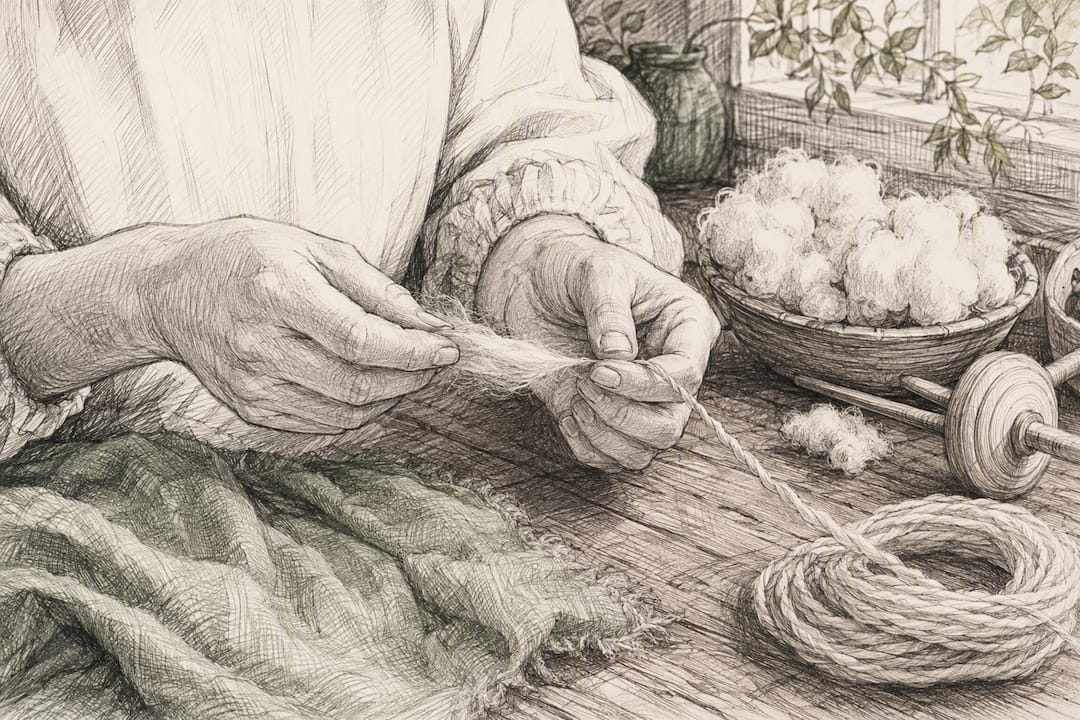
- Ring and traveler spinning. This is the defining step. A small metal loop called a traveler rides around a stationary ring, twisting the fiber strand continuously while winding it onto a rotating bobbin. That continuous drafting and twisting motion is what produces the fine, strong, tightly bound yarn ring spinning is known for.
- Winding and conditioning. Freshly spun ring-spun yarn carries a lot of internal torque from all that twisting. It often needs a rest or conditioning period to relax before it's woven or knitted, or the finished fabric can feel stiffer or twist unpredictably during production.
The ring-and-traveler mechanism is also exactly why ring spinning is slower and pricier than the alternative. Open-end spinning skips several of these steps entirely, feeding loose fiber directly into a rotor that spins much faster with less mechanical fuss. That speed advantage is the whole reason open-end yarn costs less, but it comes at the price of a looser, less uniform yarn structure.
Pro Tip: If a supplier's spec sheet lists a yarn count (like "30s ring-spun") without saying whether it's combed, ask directly. Combing is the single biggest driver of hand-feel and price within the ring-spun category, and it's often left off casual product descriptions.
Ring-Spun vs. Open-End vs. Combed Ringspun: What Actually Changes
Every one of these three yarn types can technically be labeled "cotton," but they behave nothing alike once they're sewn into a garment.
Open-end (rotor) yarn is the budget tier. It spins fast, costs the least, and works fine for heavyweight fleece, low-cost promotional shirts, or anything where surface smoothness and drape aren't the priority. The trade-off is a rougher hand and more visible fiber ends poking through the fabric surface, which tends to catch and pill faster with wear and washing.
Ring-spun sits in the middle. It costs more to produce because the ring-and-traveler process runs slower than rotor spinning, but the payoff is a noticeably softer, stronger, smoother fabric. This is the realistic sweet spot for most everyday apparel, from basic tees to midweight hoodies.
Combed ringspun is the premium tier. It takes the ring-spun base process and adds fiber removal on top, which is why industry cost tiers put combed ringspun above plain ring-spun and open-end in both softness and price. Retail brands lean on it specifically because customers notice the difference in hand-feel immediately.
Here's where the differences matter most in practice:
- Softness: Combed ringspun > ring-spun > open-end, and the gap is easy to feel by hand, not just read on a spec sheet.
- Pilling resistance: Combed and standard ringspun both outperform open-end because fewer loose fiber ends means less surface friction over time.
- Print and embroidery quality: Ringspun and combed ringspun blanks give cleaner prints and better embroidery registration than open-end because the smoother surface has fewer protruding fibers to distort fine detail.
- Cost and speed: Open-end wins on both. Ring-spun and combed ringspun cost more precisely because they're slower to produce.
Open-end is a perfectly reasonable choice for heavyweight fleece, budget bulk orders, or products where softness isn't the selling point. Ring-spun earns its premium on anything worn against skin or printed with fine detail, which is most of what apparel shoppers actually care about.
What You'll Actually Notice Wearing a Ring-Spun Garment
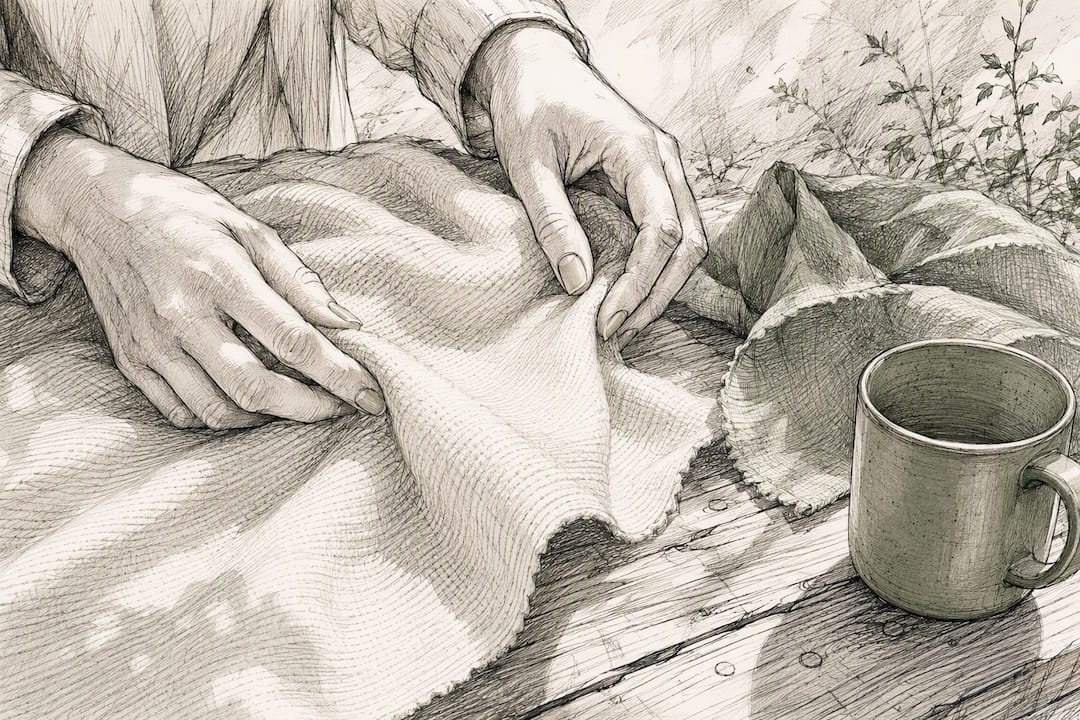
The technical differences translate into things you can feel and see, not just numbers on a spec sheet. Aligned fibers create a smoother yarn surface, and that smoother surface is what makes ring-spun fabric feel softer against skin from the first wear, without needing dozens of wash cycles to break it in.
Print quality is where the difference becomes obvious fast. A smoother fabric surface means less texture disrupting fine lines, small text, or gradient shading in a printed design. Ringspun and combed ringspun blanks are the practical minimum decorators reach for on DTG and DTF prints because rougher open-end surfaces tend to produce more misregistration and print rejects, especially on multi-color designs with fine detail.
Durability shows up over time rather than at checkout. Open-end yarn has more loose fiber ends sitting on the surface, and those ends are exactly what catches on friction and balls up into pills. Ring-spun's tighter, more uniform strand structure resists that same wear.
Ring-spun yarns generally deliver a softer, stronger, and smoother fabric than open-end spun yarns, though that quality comes at the cost of lower production speed and a higher price tag.
Combed ringspun pushes both softness and pilling resistance even further because removing short fibers before spinning eliminates the weakest links in the yarn structure, the ones most likely to break loose and pill. A few practical outcomes worth expecting:
- Ring-spun tees typically outlast open-end tees by several wash cycles before pilling becomes noticeable.
- Fine print detail (small text, thin lines, subtle shading) holds up visibly better on ring-spun surfaces.
- Combed ringspun shirts tend to soften further with washing rather than degrade, unlike rougher open-end blends.
None of this means open-end cotton is a bad product. It means the extra cost of ring-spun buys you specific, tangible improvements that show up exactly where most shoppers actually interact with a shirt: against skin and under a printed design.
How to Spot Genuine Ring-Spun Quality When You're Shopping
Marketing copy throws around "premium cotton" freely, but genuine ring-spun quality leaves specific fingerprints on a product label and spec sheet.
- Look for the word "ringspun" explicitly, not just "100% cotton." The two aren't the same claim, and a seller who's confident about their spinning method usually says so directly.
- Check for "combed" as a separate word. A shirt can be ring-spun without being combed, so if softness is your priority, both words need to appear together.
- Note any branded process name, like Airlume, since suppliers use that kind of labeling specifically to signal both combing and ring-spinning together as one combined quality claim.
- Check the yarn count (singles number). Higher numbers, generally in the 20s to 40s range for everyday apparel, indicate finer yarn and usually a lighter, softer fabric.
- Check GSM against the intended use. Lighter GSM (under 150) suits warm-weather tees; heavier GSM (180 and up) suits structured layering pieces and hoodies.
- Confirm "pre-shrunk" separately from spinning method. It's a finishing step, not a spinning process, and one doesn't guarantee the other.
Red flags worth asking about before you buy in bulk: vague phrases like "premium cotton blend" with no spinning method named, no yarn count listed anywhere, or a seller who can't answer whether the fabric is combed when you ask directly. A supplier resource like Spritz's guide to blank t-shirts walks through how yarn counts and weight interact for buyers sourcing blanks at scale.
Pro Tip: If two shirts both say "ring-spun" but one costs noticeably less, check for combing and GSM before assuming the cheaper one is a better deal. A lower price on an uncombed, lighter-weight ring-spun shirt isn't a discount on the same product; it's a different product.
Washing and Drying Ring-Spun Cotton Without Losing the Softness
Shrinkage is the most common surprise with cotton, and it's largely predictable once you know whether a garment has been pre-shrunk. Untreated ring-spun cotton typically shrinks around 3 to 7 percent on its first wash, while a pre-shrunk ring-spun garment usually settles closer to 1 to 3 percent total shrinkage across its lifetime. That's the practical meaning of "pre-shrunk": the fabric already went through a controlled shrinking process at the factory, so most of the shrinkage happens before you ever own the shirt.
A few habits keep both shrinkage and softness in check:
- Wash in cold or warm water rather than hot, since heat is the main driver of fiber shrinkage in cotton.
- Skip high-heat drying when possible; tumble dry on low or line dry to avoid compounding shrinkage over repeated washes.
- Turn printed shirts inside out before washing to protect the design surface from friction against other fabric.
- Avoid fabric softener on ring-spun cotton long-term, since it can leave a residue that dulls the natural softness the spinning process already built in.
- Wash with similar colors and avoid overloading the machine, since crowding increases friction that accelerates pilling.
None of these steps eliminate shrinkage entirely on untreated cotton, but they keep it inside the expected range instead of compounding it wash after wash. For garments you're wearing for years rather than one season, that consistency matters more than any single wash.
Is Ring-Spun Cotton Actually Better for the Environment?
Ring-spun cotton doesn't automatically mean a smaller environmental footprint; the spinning method itself is a mechanical process, not a farming or dyeing choice. Where sustainability actually enters the picture is durability. A ring-spun shirt that resists pilling and holds its shape longer gets worn and washed more times before it's discarded, which stretches the environmental cost of growing and processing that cotton across a longer usable life.
Combed ringspun complicates that picture slightly. Removing short fibers before spinning means combed ringspun uses more raw cotton per finished garment than plain ring-spun or open-end, since a portion of every batch gets discarded as waste. That waste can be reused in lower-grade textile applications, but it's still an added input cost on the front end that plain ring-spun and open-end don't carry.
The more meaningful sustainability variables sit outside the spinning method entirely: how the raw cotton was grown (conventional vs. organic), how much water and dye went into finishing, and where the garment was manufactured. A ring-spun tee grown from conventional cotton and shipped across multiple countries can carry a heavier footprint than an open-end tee sourced closer to home. Spinning method is one input among several, not a standalone sustainability claim, and shoppers who care about the full picture need to look at fiber sourcing and finishing alongside yarn type.
Why Ring-Spun Cotton Costs More Than Other Types
The price gap between ring-spun and open-end cotton comes down almost entirely to production speed. Ring spinning's continuous drafting and twisting process runs slower per unit of yarn than rotor-based open-end spinning, and slower production on the same equipment means fewer units per hour, which pushes cost per yard up.
Combed ringspun adds a second cost layer on top of that speed penalty. The combing step itself requires additional machinery time, and it discards a real percentage of the raw fiber; that 10 to 25 percent raw fiber loss from short-fiber removal has to be priced into the finished yarn since the mill is paying for cotton it doesn't end up using.
In practical wholesale terms, the tiers usually shake out this way: open-end blanks sit at the lowest price point and highest production volume, ring-spun blanks command a moderate premium for noticeably better hand and durability, and combed ringspun sits at the top as the tier reserved for retail-grade apparel where softness and print performance justify the extra cost. For a small apparel brand or a shopper comparing two shirts side by side, that price difference isn't padding margin. It's paying for a slower, more fiber-intensive production process that shows up directly in how the finished shirt feels and wears.
Why We Build Around Ring-Spun Faces
We've made a deliberate call at Sincerelyskye to build our tees and sweatshirts on ring-spun and combed ringspun bases rather than cutting costs with open-end blanks. Craft-inspired designs live and die on fine detail. Small line work, layered typography, and vintage-style illustration all rely on a smooth print surface to read clearly, and that only happens reliably on ring-spun cotton.
Customers who've worn our pieces through repeat washes tend to notice the same thing: the softness holds up rather than fading after a few cycles, and the print doesn't crack or blur the way it can on rougher fabric bases. That's not an accident. It's the direct result of choosing a slower, pricier spinning method on purpose. Our general recommendation stays simple: cold wash, low heat dry, inside out when printed. That combination protects both the fabric's hand and the artwork sitting on top of it.
— Skye
Wear the Difference: Sincerelyskye's Ring-Spun Picks
If everything above made you want to feel the difference for yourself, start with a piece that puts ring-spun softness front and center. Our Craft Now, Clean Later tee is built on a ring-spun base specifically because the design's fine linework needed a smooth surface to print clean, and it shows in how crisp the artwork stays wash after wash.
For cooler months or a heavier everyday layer, The Sweatshirt from Sincerely Skye Gear gives you that same ring-spun-informed comfort in a thicker, structured weight, while The Hoodie is the pick if you want a hood and pockets on top of it. Buying tip: check the size chart before ordering, since ring-spun cotton runs true to size but a heavier GSM sweatshirt fits differently than a lighter tee, and always wash cold with low heat to protect both the fabric's hand and the print. Browse the full Sincerely Skye Gear lineup to compare weights and styles side by side, or start with the Craft Now, Clean Later Tee if you want the classic tee cut in that same ring-spun quality.
Where This Information Comes From
The technical claims in this piece draw on Cotton Incorporated's spinning systems brief for yarn performance comparisons, Wikipedia's entry on ring spinning for the mechanics of the ring-and-traveler system, and apparel industry guides from Three Layer and RushOrderTees for decorator-facing detail on print performance and cost tiers. Buyers sourcing blanks directly can also check Spritz's guide to choosing blank t-shirts for practical fabric-weight comparisons.
Sources
- Cotton Spun Yarns for Knit and Woven Fabrics — Cotton Incorporated
- Ring spinning — Wikipedia
- Ringspun vs Regular Cotton Explained | Three Layer
- What is Ringspun Cotton? — RushOrderTees