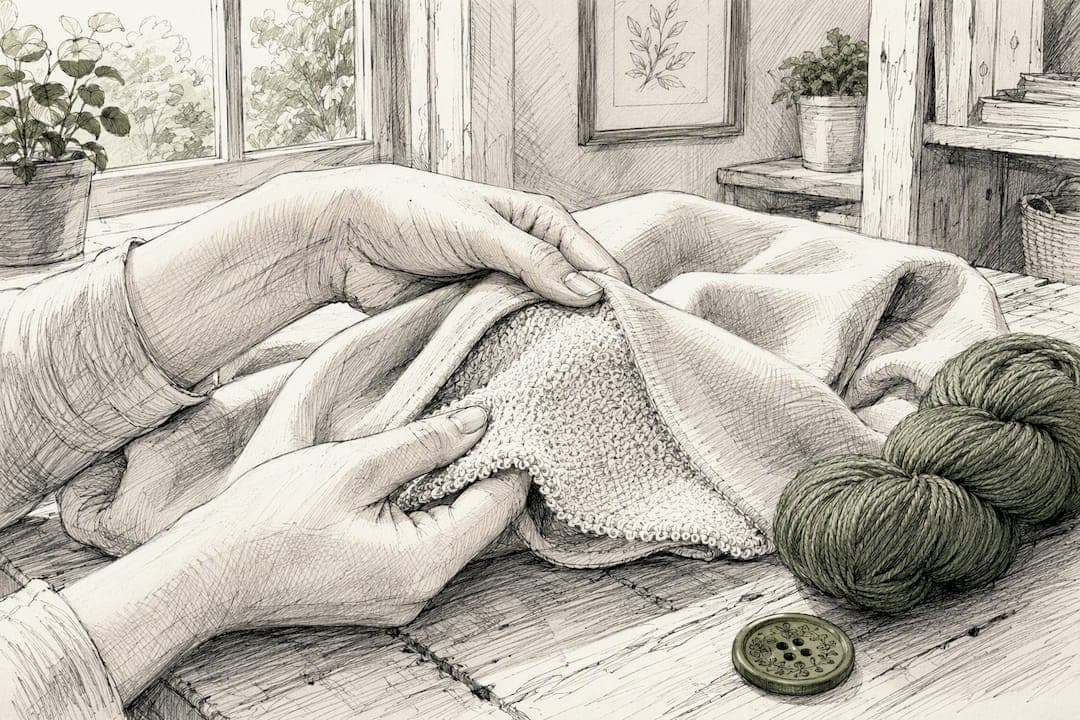
French terry wins for everyday layering, breathable hoodies, and anything you'll wear while moving. Fleece wins when the job is pure, standalone warmth with no plans to peel off a jacket over it. The real decision comes down to three things on the product page: construction (looped vs. brushed), GSM weight, and how you plan to wear it. The next sections walk through the construction, the numbers, and how to choose with confidence.
TL;DR:
- French terry offers better breathability and drapes closer to the body, making it ideal for activewear and everyday layering in moderate climates.
- Fleece provides superior insulation with a brushed nap that traps more air, making it the better choice for cold weather and static outdoor activities.
- The GSM range of fleece varies widely from lightweight microfleece to heavy sherpa, affecting warmth, weight, and cost, while French terry typically ranges from 240 to 380 GSM.
- Decoration options like screen printing or embroidery are more precise and durable on French terry’s flat surface, whereas fleece’s textured nap complicates fine detail.
- Choosing the right fabric depends on climate, activity level, fit preference, and budget, with product details like GSM, fiber content, and finishing processes being more telling than fabric names.
Table of Contents
- Fleece vs French Terry at a Glance
- What Is French Terry, and How Is It Made?
- What Is Fleece, and What Does It Mean for Warmth?
- Fleece vs French Terry: A Side-by-Side Breakdown
- How to Choose Between Fleece and French Terry
- Keeping Fleece and French Terry Looking Good Longer
- Why Sincerely Skye Builds Around These Two Fabrics
- Find Your Fit in the Sincerely Skye Shop
- Sources
Fleece vs French Terry at a Glance
Before getting into construction details, here's how the two fabrics stack up on the factors that actually change how a garment feels and wears.
- Construction: French terry has looped, uncut interior loops; fleece has a brushed, napped interior with no visible loop structure.
- Warmth: French terry offers light to moderate insulation; fleece runs moderate to very warm, depending on brushing and weight.
- Breathability: French terry is good to excellent; fleece is fair to good, since the nap traps more air (and heat) against the skin.
- GSM range: French terry typically runs 240 to 380 GSM; fleece spans a wider range, from lightweight microfleece around 150 GSM to heavy sherpa or polar fleece above 500 GSM.
- Common garments: French terry shows up in hoodies, joggers, and casual sweatshirts; fleece dominates jackets, blankets, sherpa linings, and winter outerwear.
- Decoration friendliness: French terry's smooth face takes screen printing and embroidery cleanly; fleece's raised nap can soften fine print detail and needs different embroidery prep.
Neither fabric is objectively "better." They're built for different jobs, and the GSM number on a product listing tells you more about how a specific garment will perform than the fabric name alone.
What Is French Terry, and How Is It Made?
French terry is a single-knit fabric with a smooth outer face and a looped, uncut interior. Those loops, sometimes labeled "loopback" on product pages, stay intact instead of getting brushed into a fuzzy nap, and that structural choice is what gives French terry its signature combination of light weight and good breathability.
Most French terry comes in one of two blend families: 100% cotton, which feels soft and breathes well but shrinks more aggressively in the wash, or cotton/polyester blends, which sacrifice a little softness for better shape retention and lower shrinkage. As a single-knit construction with a looped interior, French terry delivers moderate insulation and strong airflow, which is exactly why it's become the default fabric for hoodies and athleisure over the last decade.
GSM guidance matters more here than most shoppers realize. Lightweight French terry suits warmer climates or active wear, midweight versions offer versatile use for cooler conditions, and heavier weights begin to approach the warmth and feel of light sweatshirt fleece, so don't assume "French terry" automatically means lightweight.
The smooth face also makes French terry a favorite for decoration. Screen printing and direct-to-garment printing both hold crisp detail on that flat surface, which is one reason small-batch apparel brands lean on it for graphic designs. The tradeoff is shrinkage risk on high-cotton items. If a product page doesn't mention "pre-shrunk" or "sanforized," expect at least some size change after the first hot wash, and plan your sizing accordingly.
What Is Fleece, and What Does It Mean for Warmth?
Fleece starts as a knit fabric, but manufacturers run it through a brushing process that raises tiny fibers into a soft, raised nap. That brushed surface traps more air than a flat knit, which is the entire mechanism behind fleece's reputation as the warmer, cozier fabric. More trapped air means more insulation, but it also means less airflow escaping, so fleece runs warmer and sweats hotter than French terry during activity.
"Fleece" isn't one fabric. It's a family, and the differences between members matter a lot when you're shopping:
- Sweatshirt fleece is a mid-weight, moderately brushed fabric used for classic crewnecks and hoodies.
- Polar fleece is heavier and denser, built for outerwear and cold-weather jackets.
- Microfleece is lightweight and less bulky, often used for base layers or warm-weather-adjacent pieces.
- Sherpa has a thick, curly pile that mimics shearling, typically reserved for linings and blankets.
GSM ranges vary widely across this family, from lightweight microfleece under 200 GSM to heavy polar fleece and sherpa well above 400 or 500 GSM. Fiber composition shifts the experience too. Polyester-dominant fleece resists moisture absorption but can trap odor over time, while cotton-blend fleece feels softer but takes longer to dry. Pilling tends to show up faster on cheaper, loosely brushed fleece, especially in high-friction spots like underarms and cuffs.
The brushed pile that makes fleece warm also complicates decoration. Fine print lines can blur into the nap, and embroidery needs extra stabilizer to keep stitches from sinking into the pile. If a design has small text or thin linework, fleece is rarely the right canvas.
Fleece vs French Terry: A Side-by-Side Breakdown
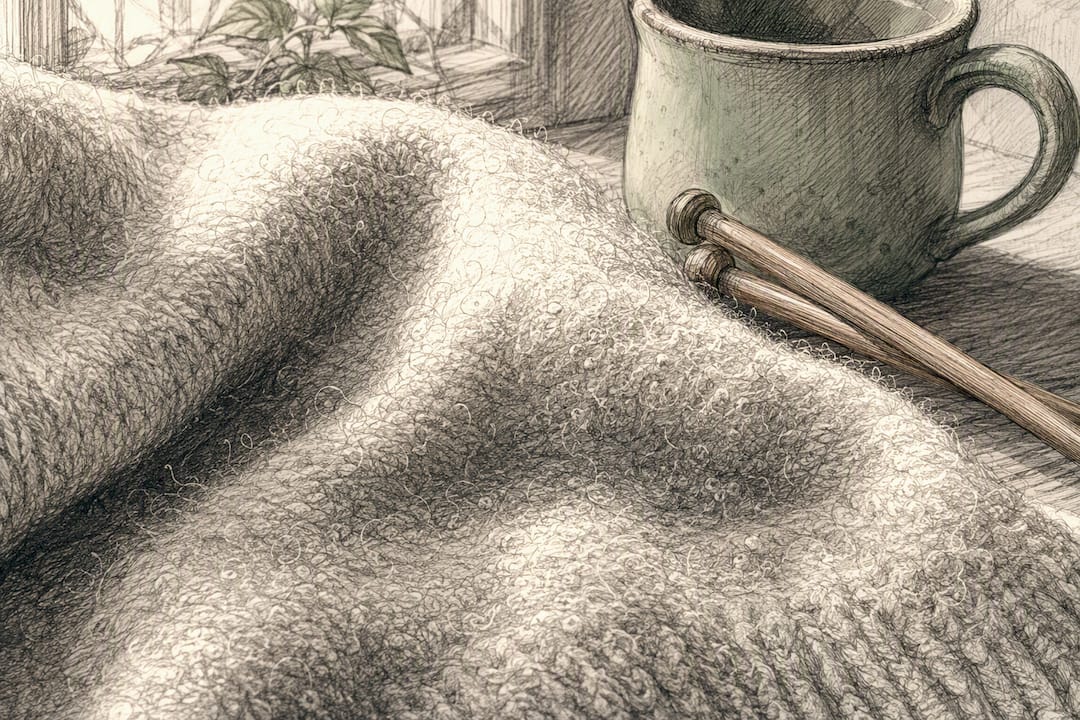
Warmth comes down to air trapping, not fiber content alone. Fleece's brushed nap holds more still air near the skin, so at comparable weights, fleece runs warmer than French terry every time. For light layering, French terry in the 240 to 280 GSM range is plenty. For genuine cold-weather insulation, you want fleece at 380 GSM or higher.
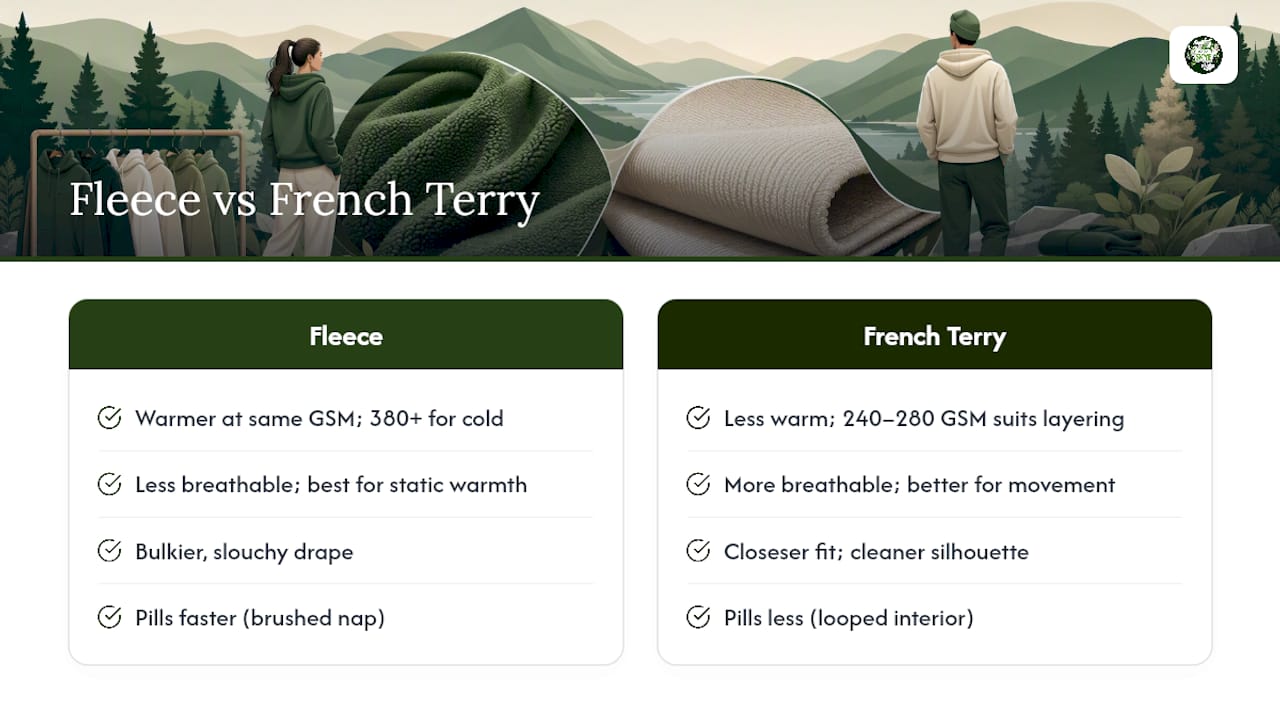
Breathability and activity level flip the script. French terry's open, looped interior lets heat and moisture escape, making it the better pick for anything involving movement: workouts, errands, campus life, or layering under a jacket. Fleece is built for static warmth, like sitting around a fire pit, lounging at home, or standing outside in cold weather rather than moving through it.
Fit and drape differ noticeably. French terry hangs closer to the body with a cleaner silhouette, which is why it shows up so often in fitted hoodies and joggers. Fleece tends to look and feel bulkier and slouchier, which suits oversized streetwear but works against a tailored look.
Durability and pilling favor construction type over marketing claims. Looped fabrics like French terry pill less because there's no raised fiber to abrade. Brushed fleece pills faster, particularly cheaper versions with shorter, looser nap fibers.
Decoration and branding lean toward French terry almost every time. Its flat surface holds screen printing and DTG cleanly, while fleece's texture works against fine detail.
Cost and sustainability tell an interesting story. Brushed fleece often costs more to produce than French terry because napping is an extra manufacturing step, and quality varies a lot depending on brushing intensity. On the sustainability side, recycled polyester fleece has become common, but it shifts moisture and odor behavior compared to cotton blends, so read labels carefully rather than assuming "recycled" means identical performance.
How to Choose Between Fleece and French Terry
Run through this checklist before you buy:
- What's the climate or season? Mild weather and indoor layering favor French terry; genuine cold favors fleece.
- How active will you be in it? Movement and sweat call for terry's breathability; sitting still calls for fleece's insulation.
- What silhouette do you want? Fitted and clean points to terry; oversized and slouchy points to fleece.
- Does the piece need graphics or embroidery? Fine detail favors terry's smooth face over fleece's nap.
- What's your budget? Fleece, especially heavily brushed versions, often runs pricier than comparable terry.
- How much care are you willing to put in? Cotton-heavy terry demands more shrinkage caution than poly-blend fleece.
Check product pages for GSM numbers, "loopback" or "brushed" language, fiber percentages, and pre-shrunk or sanforized notes. Those four details tell you more than the fabric name ever will.
Three quick scenarios: for daily athleisure and errands, a 300 GSM cotton/poly French terry hoodie hits the sweet spot. For campus or streetwear layering, a midweight sweatshirt fleece around 320 to 350 GSM balances warmth and structure. For serious loungewear on cold nights, a heavy 400+ GSM sherpa or polar fleece piece is worth the extra cost.
Pro Tip: If you're buying online and can't feel the fabric first, ask the seller for a swatch or check for close-up photos of the fabric texture. A blurry stock photo that hides the knit structure is often a sign the listing is copy-pasted from a supplier catalog rather than shot from the actual product.
Keeping Fleece and French Terry Looking Good Longer
French terry does best with a cold wash on a gentle cycle, followed by air drying or a low-heat tumble. Reshape heavier, high-cotton pieces while damp to fight shrinkage before it sets.
Fleece prefers a similar cold wash, turned inside out, but skip the fabric softener, which flattens the nap over time and reduces loft. Air drying is ideal; if you tumble dry, keep the heat low and the time short.
- Wash both fabrics inside out to reduce surface friction and slow pilling.
- Avoid overloading the washer, since crowding increases abrasion between garments.
- Use a fabric shaver or de-piller on fleece once pilling starts, rather than letting it spread.
- Turn printed or embroidered pieces inside out every wash to protect the design from cracking or fraying.
Why Sincerely Skye Builds Around These Two Fabrics
Cozy, wearable comfort is the whole point of what Sincerely Skye makes, so fabric choice isn't an afterthought. shapes how each piece gets selected, favoring constructions that hold up to daily wear without losing softness. French terry's smooth face also happens to be ideal for the whimsical, vintage-inspired artwork that defines the brand's look, since fine linework and small text need a flat surface to print clearly.
— Skye
Find Your Fit in the Sincerely Skye Shop
Every checklist item above points toward one thing: pick the construction that matches how you'll actually wear the piece, not just how it looks on a hanger. The Sweatshirt is built with the midweight construction and clean printing surface this guide recommends for everyday layering and graphic detail. If you want more structure and a hood for cooler days, The Hoodie follows the same GSM and construction logic while adding coverage.

For nights when standalone warmth matters more than breathability, the Checkered Heart Sherpa Blanket shows the brand's take on the fleece family, thick pile, and cozy weight, built for lounging rather than layering. Every piece in the Sincerely Skye Store gets the same treatment: fabric chosen for how it wears, not just how it photographs. Browse the current lineup and pick the construction that matches your climate, activity level, and decoration preference.
Sources
- French Terry vs. Fleece: Which Fabric Is Right for You?
- What is French Terry? A Fabric Guide for Brands & Buyers - Fexwear